Category

Race Directors

Make Your Merch Work as Hard as Your Social Media (Maybe Harder)

By Race Directors

Too often, the merch we give out at events ends up at the bottom of a drawer. Even when it’s good quality. Even when it’s nicely designed. Even when you agonized over Pantone colors at midnight.

That’s a missed opportunity.

When your physical merch and your social media strategy work together, your participants become a volunteer marketing army, happily wearing, posting, and showing off your race brand long after the finish line snacks are gone.

Here are three simple ways to keep your merch at the top of the rotation (instead of the sock drawer of shame) and generate real user-created content.


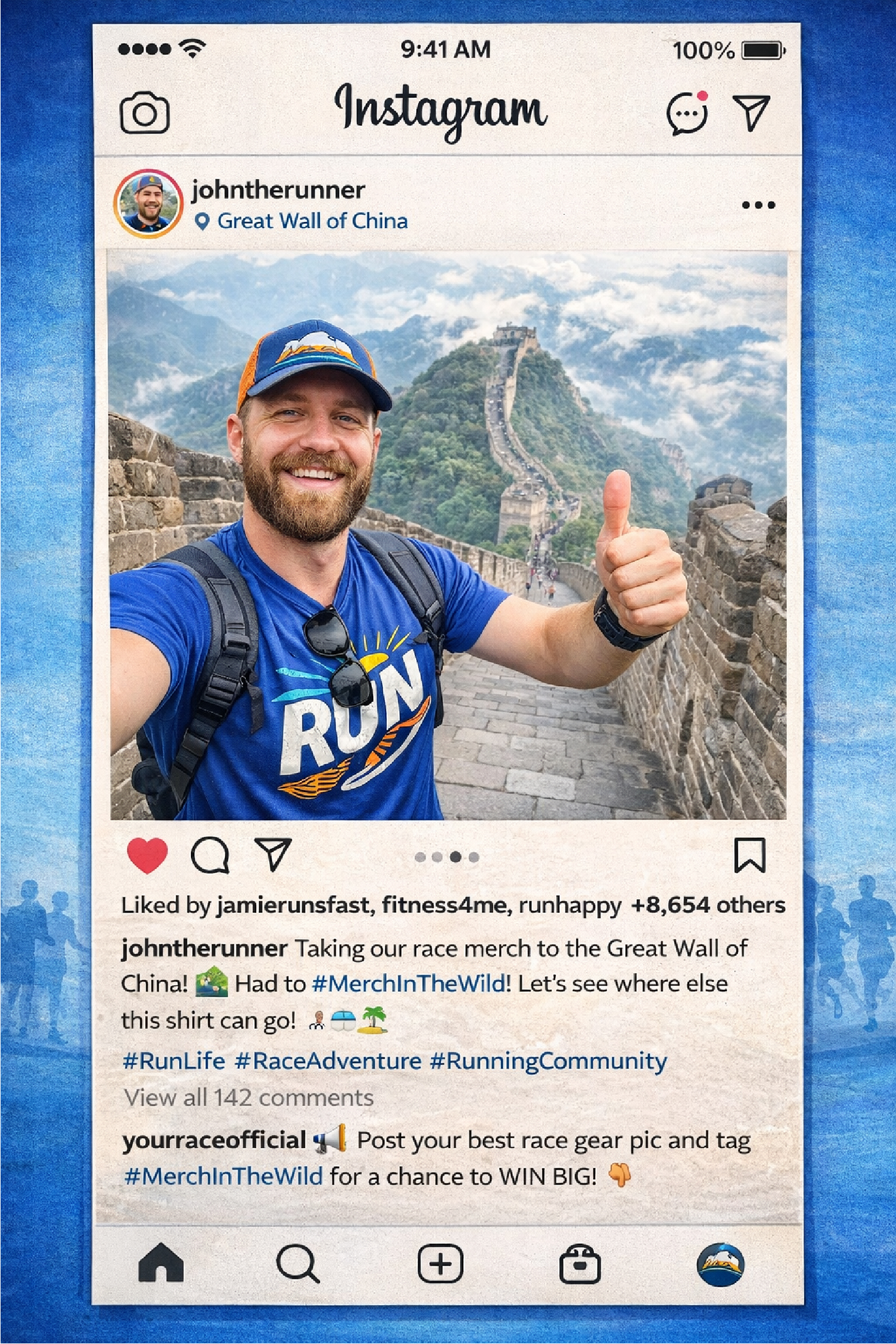
1) Run a “Merch in the Wild” Contest

People love to win stuff. People also love to show off. This is science.

Ask participants to post photos wearing your race gear somewhere interesting:

  • In a far-away destination
  • At another race start line
  • At work, school, or the gym
  • In the most ridiculous/funny location they can justify

Offer a prize that actually matters (next year’s entry, VIP upgrade, premium hoodie, etc.).

You get authentic content, massive reach through their followers, and proof your event didn’t disappear the moment the timing mats came down.

Easy engagement booster: Post finalists and let followers “Like” their favorite to vote. Now your audience is doing the marketing for you.

2) Put a Smart QR Code on the Merch

Your shirt can do more than just sit on a torso.

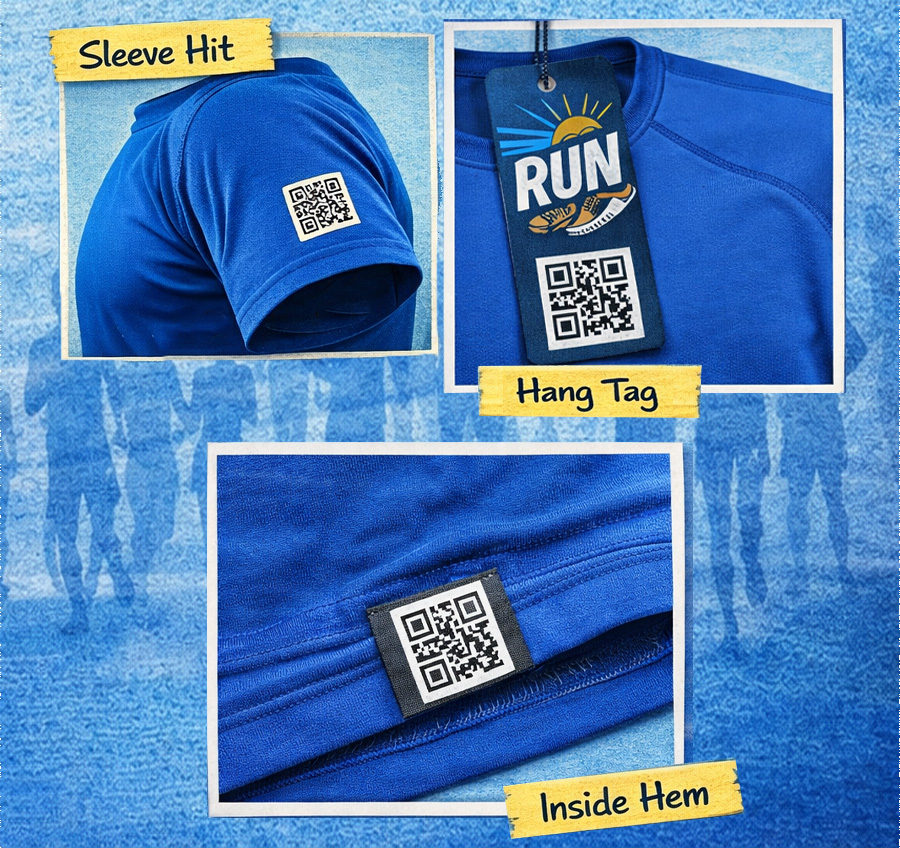
Add a discreet QR code integrated into the design, on a sleeve hit, inside hem, or hang tag. Then give people a reason to scan it:

  • Secret discount or early registration access
  • Monthly training tip
  • Exclusive content or giveaway
  • “Insider” updates

Then actually tell people to use it:
“Grab your race shirt and scan the code.”

This reconnects runners with your event months later without spending another dollar on ads.

(Yes, QR codes work. No, they’re not just for restaurant menus anymore.)

3) Let Your Audience Help Design It

Engagement can start before the merch even exists.

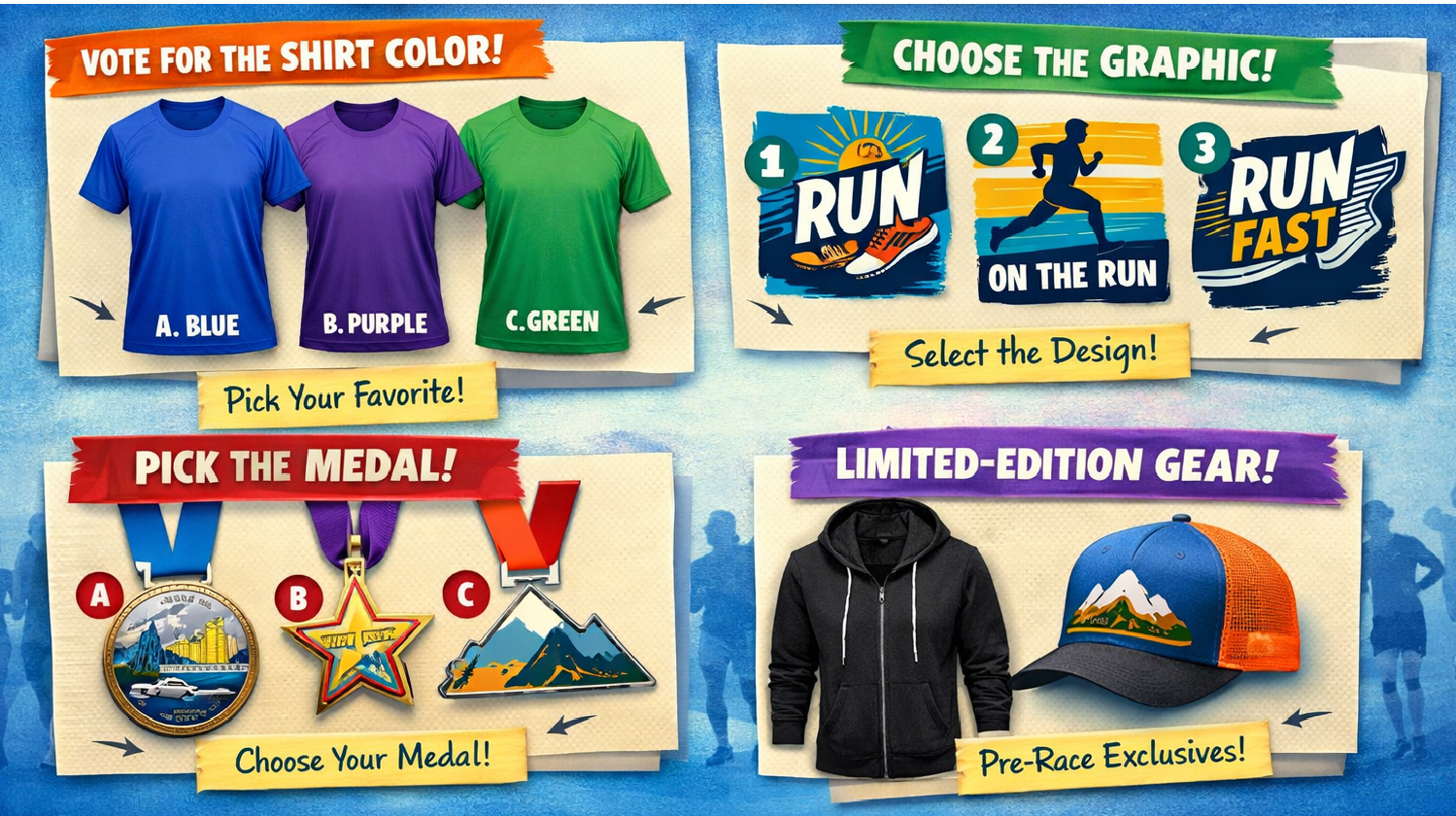
Post design options and let runners vote on things like:

  • Shirt color
  • Graphic direction
  • Medal concepts
  • Limited-edition pre-race gear

This works especially well for premium or limited drops (for example, a pre-race hoodie).

When people help choose it, they’re far more likely to buy it, wear it, and proudly tell the internet about it.

Bonus: You dramatically reduce the chance of producing 800 items in a color nobody actually wanted.

Final Thought: Merch Is Media

A shirt worn weekly generates hundreds (or thousands) of impressions. A post featuring that shirt multiplies that instantly.

So don’t think of merch as swag. Think of it as portable, long-term advertising that people actually like.

If your gear is wearable, shareable, and interactive, it stops being a cost… and starts being one of your most effective marketing tools.

And best of all, your participants do most of the work for you.

Maximizing Your Race Merch Return On Investment

By Race Directors

Ways to Maximise the ROI on your Race Shirts

Race shirts are hard.

From forecasting sizes to choosing fabrics, cuts, colours, and designs—it’s a lot to manage. And then there’s the cost. Shirts are often one of the biggest line items in an event budget, which means every decision matters.

The good news? With a bit of intention, your race shirts can deliver far more value than just “something included with registration.”

Shift the Mindset: Medal vs. Shirt

Medals celebrate achievement.
Race shirts, on the other hand, are closer to a thank-you gift.

They say: Thanks for registering. Thanks for showing up. Thanks for trusting us with your race experience.

So it’s worth asking a few honest questions:

  • Does this shirt reflect my brand in terms of quality, design, and perceived value?
  • Am I choosing this shirt just to hit a budget number—or because it’s something runners would genuinely want to wear?
  • Once race day is over and this shirt is sitting in their closet, will they reach for it over the shirts they chose themselves?

If the answer is “maybe not,” there’s an opportunity to improve your ROI.


1. Offer Choice (It’s Easier Than You Think)

One of the simplest ways to increase the likelihood that a shirt gets worn is to give runners a choice—especially in colour.

Most print shops don’t care whether a shirt is blue, black, or red if the print stays the same. Yet that small choice can make a big difference.

A friend once ran a St. Patrick’s Day race and received a bright green shirt. His reaction?

“I’ll never wear this again—green makes me look sick.”

If he’d been given the option of green or black, the odds of that shirt becoming part of his regular rotation would’ve gone way up.

Choice doesn’t have to mean complexity. Even two colour options can dramatically improve perceived value.


2. Add Personalization (Because We Love Making It Ours)

Runners love personal touches, especially ones that reflect their achievement. Let participants add something unique, like:

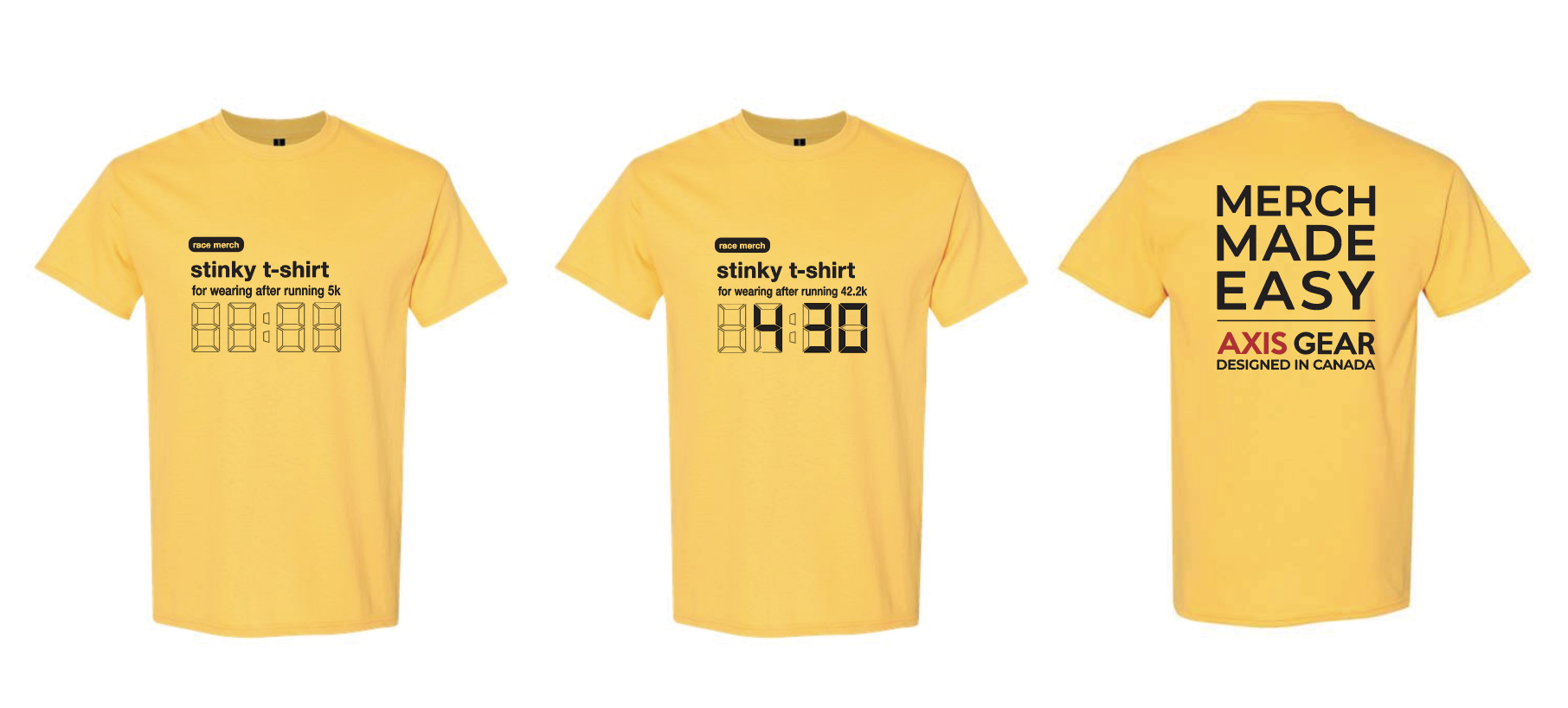
  • Their finish time
  • A pace badge
  • A distance or wave identifier

Personalization turns a generic shirt into a story starter. It sparks conversations with other runners and gives people a reason to proudly wear it again and again.

It’s no longer just a race shirt.
It’s their race shirt.


We all love to add our personal style to our wardrobe.


3. Design With Intention (And Your Audience in Mind)

Design matters more than we sometimes like to admit. Before locking in artwork, consider:

  • Trending colours and styles
  • Your demographic
  • The personality of the event

An urban night run might call for subtle, tone-on-tone graphics.
A Father’s Day race? Why not lean into humour with “bad dad jokes” on the back.

Want to take it a step further? Create two or three design variations with different sayings and distribute them randomly. Runners will compare shirts, laugh, trade photos—and keep talking about your event well after race day.

That post-race conversation is branding gold.


4. Combine Digital Marketing + Merch for Maximum Impact

Your race shirt shouldn’t stop working once it’s handed out.

Leverage it in your digital marketing:

  • Run contests asking participants to post photos wearing their shirt in far-away places
  • Encourage shots at the start line of other races
  • Feature runner photos on your social channels

Every post becomes a low-cost impression for your event—and a reminder that your brand lives beyond a single race morning.


Final Thought: Shirts Are an Expense—But They’re Also an Asset

Yes, race shirts cost money. But when they’re thoughtfully designed, offer choice, include personalization, and are supported by digital marketing, the cost per impression drops dramatically.

Done right, your race shirt becomes:

  • A wearable brand ambassador
  • A reminder of a great experience
  • A reason runners come back year after year

And that’s ROI that’s hard to beat.